What Is TMJ Ultrasound?
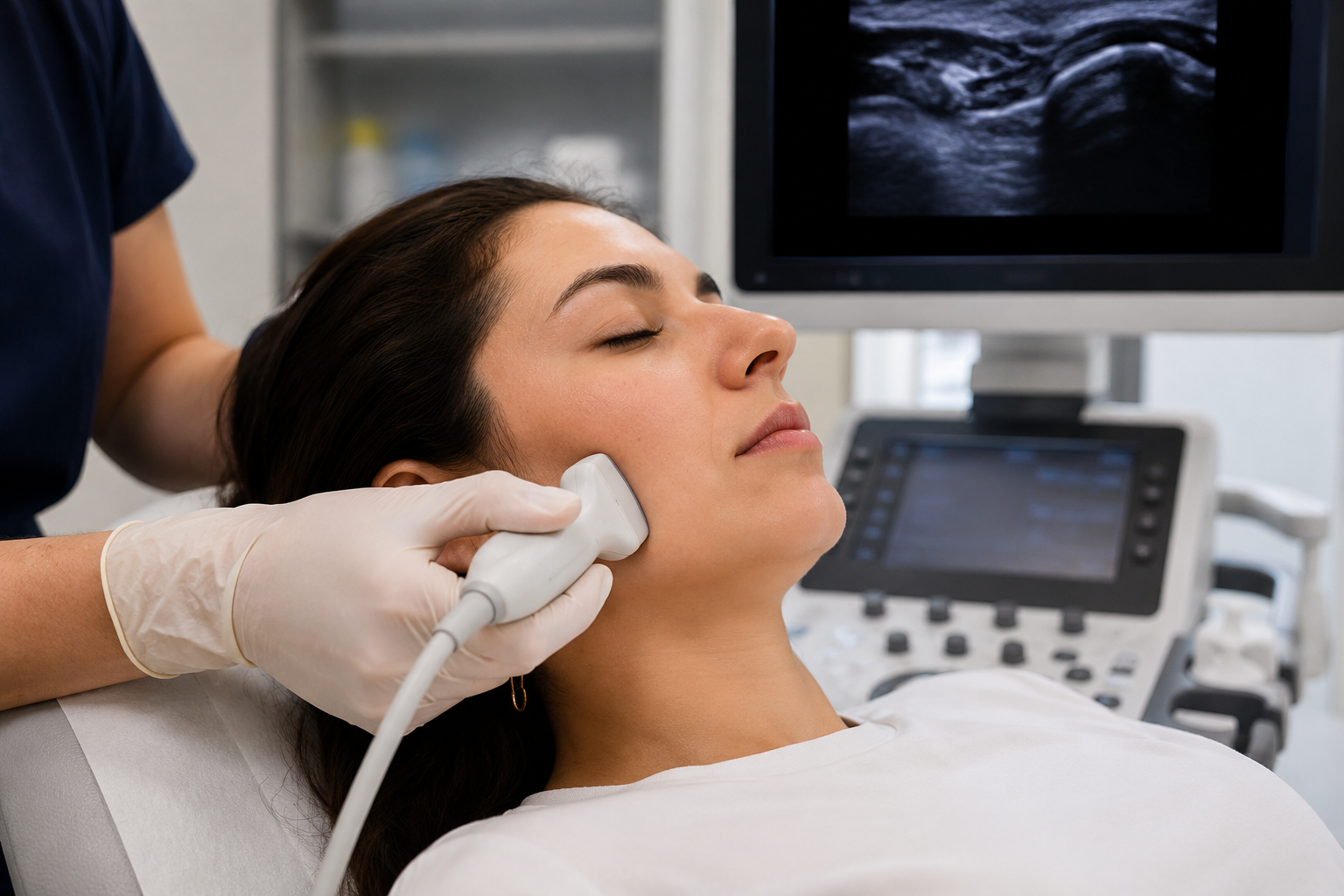
TMJ ultrasound is a non-invasive, radiation-free imaging method used to evaluate the temporomandibular joint (TMJ) and the surrounding masticatory muscles in real time. Unlike conventional imaging techniques, ultrasound allows dynamic assessment of both joint and muscular structures during movement, providing valuable functional and anatomical information directly at the point of care.
Temporomandibular Disorders
Temporomandibular disorders (TMD) affect millions of people worldwide and may present with a wide range of symptoms, including jaw pain, limited mouth opening, joint sounds, facial pain, headaches, ear pain (otalgia), tinnitus, aural fullness, neck discomfort, and muscle-related dysfunction.
Because many of these symptoms overlap with conditions encountered in dentistry, oral surgery, otolaryngology (ENT), neurology, orthopedics, physiotherapy, pain medicine, and gnathology, establishing an accurate diagnosis often requires an interdisciplinary approach.
An Interdisciplinary Diagnostic Tool
Temporomandibular disorders lie at the intersection of multiple healthcare disciplines. Patients frequently seek care from dentists, oral surgeons, ENT specialists, neurologists, orthopedists, physiotherapists, pain specialists, and gnathologists before receiving a definitive diagnosis.
TMJ ultrasound supports this interdisciplinary diagnostic process by providing real-time visualization of the temporomandibular joint and masticatory system, helping clinicians better understand the origin of complex craniofacial symptoms.
Advantages of TMJ Ultrasound
- ✔ Radiation-free imaging
- ✔ Real-time dynamic assessment
- ✔ Non-invasive examination
- ✔ Objective measurements
- ✔ Repeatable during routine clinical visits
- ✔ Supports interdisciplinary diagnosis
Ultrasound enables visualization of the temporomandibular joint, masseter muscle, temporalis muscle and surrounding structures without exposing patients to ionising radiation. The examination is quick, comfortable and repeatable.
Evidence-Based Clinical Practice
Recent advances in ultrasound technology have expanded its role in musculoskeletal diagnostics, while growing scientific evidence supports its application in the assessment of temporomandibular disorders.
Standardized examination protocols provide objective measurements, identify structural asymmetries and support clinical decision-making in patients presenting with complex orofacial and otolaryngological symptoms.
Our Mission
At TMJ Ultrasound, our mission is to promote the integration of ultrasound into everyday TMD diagnostics and interdisciplinary patient care.
Through research, education, scientific collaboration and hands-on training, we aim to increase awareness of this innovative diagnostic approach and support clinicians in its practical implementation.
TMJ ultrasound represents more than a diagnostic technique—it is a bridge between specialties, helping clinicians better understand the relationship between the temporomandibular joint, the masticatory system, and the symptoms experienced by their patients.